
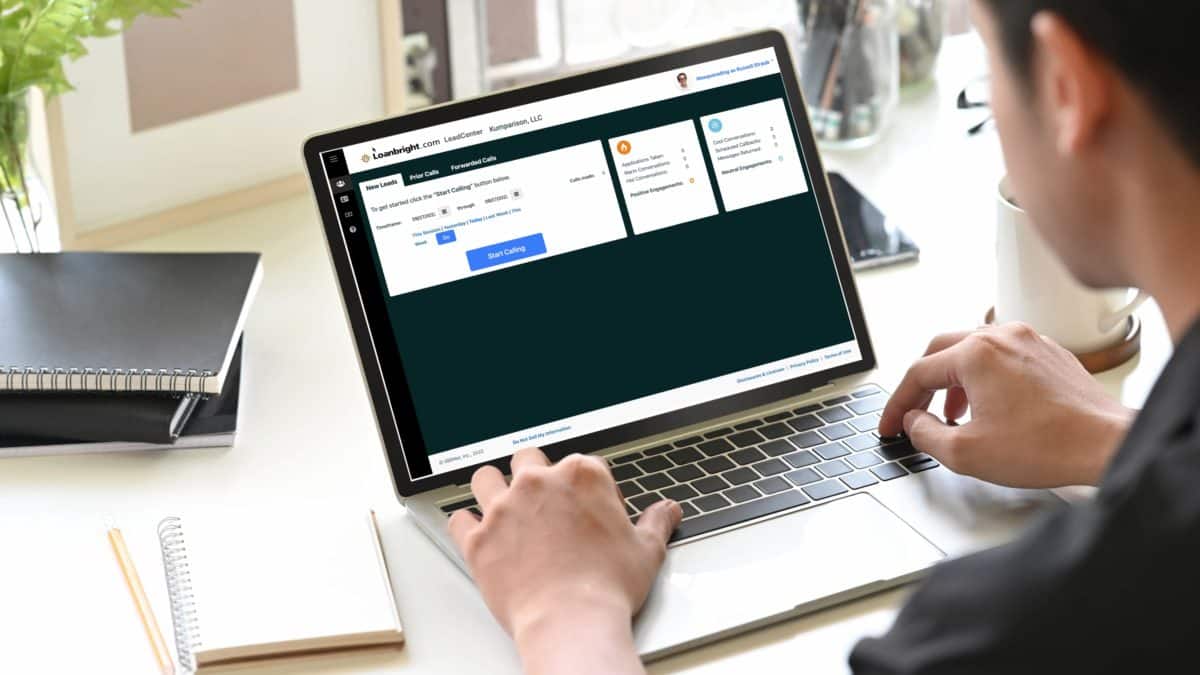
Convert Internet Leads Faster: The 5-Minute Rule and a Follow-Up System That Actually Works for Mortgage Teams
An internet mortgage lead is not a name on a list. It is a borrower who was shopping five minutes ago — and who probably filled out forms with two or three of your competitors in the same session. The team that has the first real conversation usually wins. The team that calls back tomorrow is competing for leftovers. Speed-to-lead is the time between a borrower submitting an inquiry and your team making real contact — a person engaging with that specific borrower, not an auto-reply. In mortgage, that clock matters more than in most industries, because the borrower is actively comparing lenders right now.What the research actually says
The most-cited numbers come from the 2007 MIT / InsideSales Lead Response Management study led by Dr. James Oldroyd. It found that contacting a lead within 5 minutes, versus waiting 30 minutes, made teams roughly 100 times more likely to make contact and about 21 times more likely to qualify the lead. A separate Harvard Business Review analysis found the average company took 42 hours to respond to a web lead, and 23% never responded at all. Those studies are older, and the exact multipliers vary by industry. Do not treat 21x as a promise for your shop. Treat the direction as settled: freshness decays in minutes, not days. Your own numbers — median minutes to first contact, contact rate, and application rate — matter more than any published multiplier.Why mortgage internet leads decay faster
- The borrower is shopping now. They did not request information for someday. They are comparing rates, programs, and responsiveness in real time.
- You are not the only call. Most internet borrowers submit to multiple lenders. The first lender to have a helpful conversation sets the anchor. Everyone after that is chasing it.
- Trust is the product. A fast, competent first call signals that your operation is organized. A slow callback signals the opposite — before you ever talk about a loan.
- Rate shopping is a window, not a state. A borrower who is comparing today may have a signed letter of intent, a locked rate, or a chosen lender by next week. Waiting turns a hot lead into a cold one.
The 5-minute playbook: what to do in the first five minutes
Goal: one real conversation, not one voicemail. Speed without substance does not convert.- Route instantly. New leads should hit a live LO or a dedicated speed-to-lead queue within seconds — not a shared inbox nobody owns. If no one owns the lead, no one calls it.
- Call first, text second — in the same five minutes. Call the number provided. If there is no answer, leave a short voicemail and send a short text in the same block: who you are, why you are calling, and one clear next step. Do not send five messages in five minutes.
- Lead with help, not a pitch. Open with the borrower’s goal, not your product. Example: “Hi [Name], this is [Name] with [Company]. You just asked about [purchase / refinance] — I wanted to see what you are trying to accomplish so I can point you to the right options. Do you have two minutes?”
- Qualify, do not quote. Do not throw out a rate before you understand loan purpose, timeline, credit picture, and property type. A premature rate quote starts a price war you cannot win and may mislead the borrower.
- End with a concrete next step. Book the next call, send the application link, or schedule a time to review documents. “I’ll follow up” is not a next step. A time on the calendar is.
Follow-up cadence: what to do when they do not answer
Most internet leads do not answer the first call. That does not mean they are dead. It means they are busy, screening unknown numbers, or still comparing. A disciplined cadence beats a single heroic call. Use this as a starting framework, then tune it to your own contact-rate data. Keep it to two contacts per day maximum after Day 0, and stop immediately if the borrower opts out.- Day 0 (first 5 minutes): Call + text + email. Call is the priority; text and email make sure the borrower sees a real person reached out.
- Day 1: Call in the morning and again in the late afternoon. Vary the time — a borrower who misses an 9 a.m. call may answer at 5 p.m.
- Day 2: Text + email. Add value: one useful item (e.g., what documents to have ready, or a short checklist for their loan type), not just “checking in.”
- Day 4: Call. Reference the earlier outreach briefly, then ask one qualifying question.
- Day 7: Call + email. Share something relevant — a program update, a local market note, or a reminder of the next step you offered.
- Day 14: Final active push. Call + email. Ask directly: “Are you still looking to move forward this month?” A clear question often gets a clear answer.
- After Day 14: Move to monthly nurture — one useful email or text per month — until the borrower opts out, converts, or tells you they closed elsewhere. Do not delete quiet leads. Many transact months later with whoever stayed in touch.
Match the channel to the moment
- Call: for the first conversation, qualification, and any decision. Nothing replaces a voice conversation for building trust.
- Text: for speed, scheduling, and short nudges. Borrowers read texts faster than emails. Keep texts short, human, and consent-based.
- Email: for details the borrower will want to reference later — document checklists, next steps, program summaries, and a recap after a call.
Systems that make speed repeatable
Speed-to-lead is not a motivational poster. It is an operating system. Teams that hit five minutes consistently have these in place:- A written SLA. “Every new internet lead gets a human attempt within 5 minutes during business hours, and within X minutes after hours.” Put it in writing. Measure it.
- Clear ownership. Every lead has one owner at a time. Shared inboxes and round-robins without accountability produce slow callbacks.
- After-hours coverage. Leads do not stop at 5 p.m. Decide in advance who covers evenings and weekends — a rotating LO, a dedicated team, or an approved after-hours process. An auto-reply is not coverage.
- Automation for acknowledgement, not for conversation. An instant automated text or email (“Thanks — [Name] will call you in the next few minutes”) is useful. It is not a substitute for the human call. Do not count an auto-reply as “contact.”
- CRM discipline. Every attempt logged, every next step scheduled, every opt-out honored. If it is not in the CRM, it did not happen.
Measure three numbers
- Speed-to-lead: median minutes from new lead to first human attempt. Push it toward single digits.
- Contact rate: share of leads you actually reach in a real conversation. The cadence above raises this.
- Application rate: share of contacted leads that start an application. This is the number that becomes funded loans.
Compliance note
Speed never overrides consent. Only call or text borrowers who provided the number and consented to be contacted, honor opt-outs immediately, follow TCPA and state calling/texting rules, and keep records of consent and opt-outs. If you use automated texts or dialers, confirm your process with compliance before you scale it. This article is general business information, not legal advice.Checklist: is your team set up for five minutes?
- New leads route to a live owner within seconds, not hours.
- Every LO knows the Day 0 → Day 14 cadence and follows it.
- After-hours coverage is assigned, not assumed.
- Auto-replies acknowledge, but humans make the first real contact.
- Speed-to-lead, contact rate, and application rate are measured weekly.
- Opt-outs are honored immediately and logged in the CRM.
Navigating Today's Market
Mortgage leads reimagined

You can always just give us a call at:
(720) 741-6668